 EN
EN

When it comes to cooling, there are two main types of devices: thermoelectric coolers and compressor coolers. Both do a good job keeping things cool, but they work in different ways. Knowing the differences between toppers can help you select the right one for what you need. At PN, we’re here to do the homework for you and specialise in both types, so take a scroll down below and let us explain all about what makes them different and where you’ll find your best deals
Thermoelectric Coolers Versus Compressor Coolers: What are the main differences
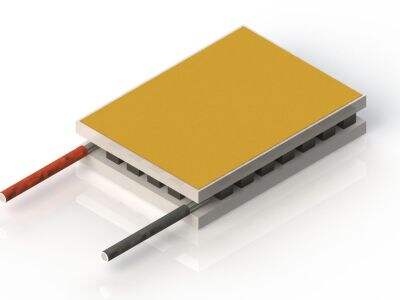
Thermoelectric coolers rely on a special effect that makes them cold to the touch called the Peltier effect. they are generally of a smaller size and lighter than compressor coolers. These coolers don’t have any moving parts, so they are often quieter too. They operate by shuttling heat from one side of the device to the other. This can make them ideal for small-scale work, or if you need something mobile. But they may not get as cold as the compressor coolers. Compressor coolers, on the other hand, are built off a gas that becomes a liquid and back again. The effect allows them to get much colder. They tend to be larger and heavier, so they are usually a good choice for a big job, such as keeping food cold in a camper or cooling sodas at a barbecue. Compressor coolers may be louder, but they usually work more efficiently in larger areas. Each also requires different amounts of power. FUELS AND POWER Thermoelectric coolers are battery powered, perfect for camping. Compressor coolers, by contrast, generally are plugged into a wall outlet or directly into a car’s power supply. So, if you’re in the market for something small and portable, a thermoelectric cooler may well be your best bet. If you want something powerful for large cooling jobs, go with compressor coolers
Where to Get the Top Wholesale Deals on Thermoelectric and Compressor Coolers
The best deals on coolers can save you a significant amount of cash, especially if you are buying them in large quantities. If you are searching for thermoelectric or compressor coolers, look at local wholesalers and online marketplaces. Occasionally manufacturers like PN will even discount large orders. This can be very convenient if you need a bunch of coolers for an event or your business. Be sure to compare prices from multiple sellers. You can find coolers on sale, especially around the holidays or during special events. Some sites even offer reviews, allowing you to see what other customers have said about the coolers. This may help you decide wisely. Another smart move is to subscribe to newsletters from manufacturers or retailers. They frequently send deals or special offers to their subscribers. You can also peruse social media pages for flash sales or discounts. If you’re shopping for a cooler with a particular use case in mind, contact suppliers and see if they have any tips or special offers. And, remember: you never know when something will go on sale! Be sure to check for seasonal sales — this is especially true in the summer when everyone wants a cooler. A little digging, however, will produce great deals on both thermoelectric and compressor coolers
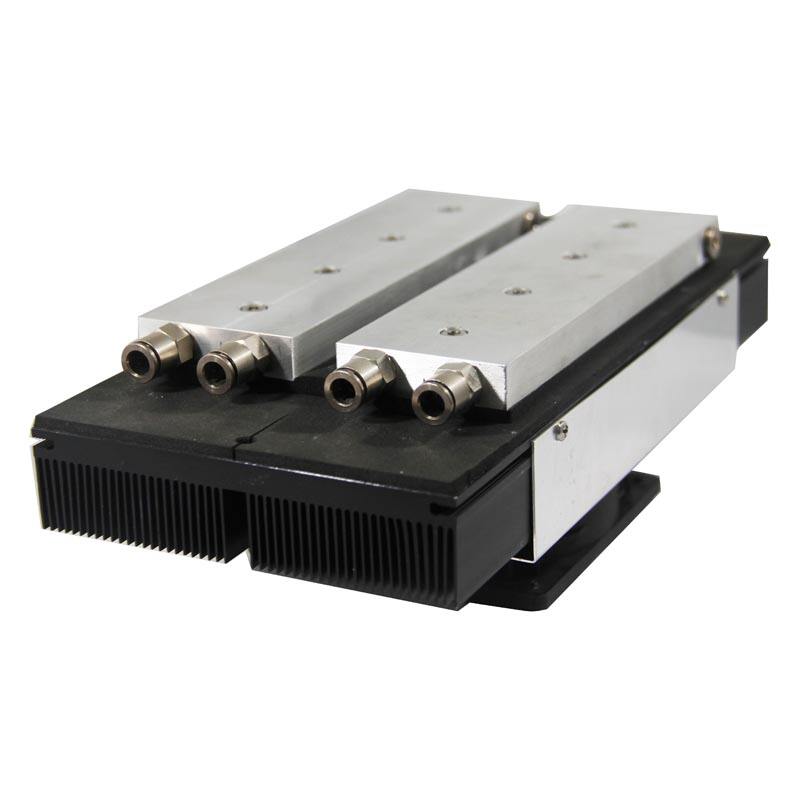
If you’re choosing between a thermoelectric cooler and a compressor cooler, consider what you need it for, and how you plan to use it. First we examine the thermoelectric cooler. This kind of cooler is compact, light and you can just carry it. It’s perfect for those camping trips or picnics because it can run on batteries or a car power outlet. If you need something easy to tote around that requires minimal space, a thermoelectric cooler could be the best option. But keep in mind that these coolers don’t get cold like a compressor cooler does. They function best within moderate outdoor temperatures. It may not keep your drinks all that cold if you intend to use it in very hot weather. Conversely, compressor coolers are bigger and heavier, but they do a much better job of cooling things. They function just like your refrigerator and can keep things very cold, even in hot weather. You’re going on a long road trip and need to keep food fresh? You should probably buy a compressor cooler. Lastly, think about the price. Thermoelectric coolers are usually cheaper than compressor coolers. If you’re on a budget, the PN thermoelectric cooler might be a good choice. But if you’re looking for a cooler that holds a nice amount of food and drinks, keeps them cool for much longer, investing in a compressor cooler may be worth the money
Thermoelectric and compressor coolers both have their virtues, but they can also share some common problems you may experience
One issue with thermoelectric coolers is that they may have a hard time in very hot weather. And you might not want to use thermoelectric coolers if it’s extremely hot outside. They work best in temperatures 20 to 30 degrees cooler than the outside temperature. So if it’s 90 degrees out, they might only cool down to about 70. They are also typically loud. For some, the sound is annoying, especially if they are trying to wind down. Compressor coolers also tend to be larger and heavier. They may also consume more energy, which could be an issue for you if you are trying to conserve power. 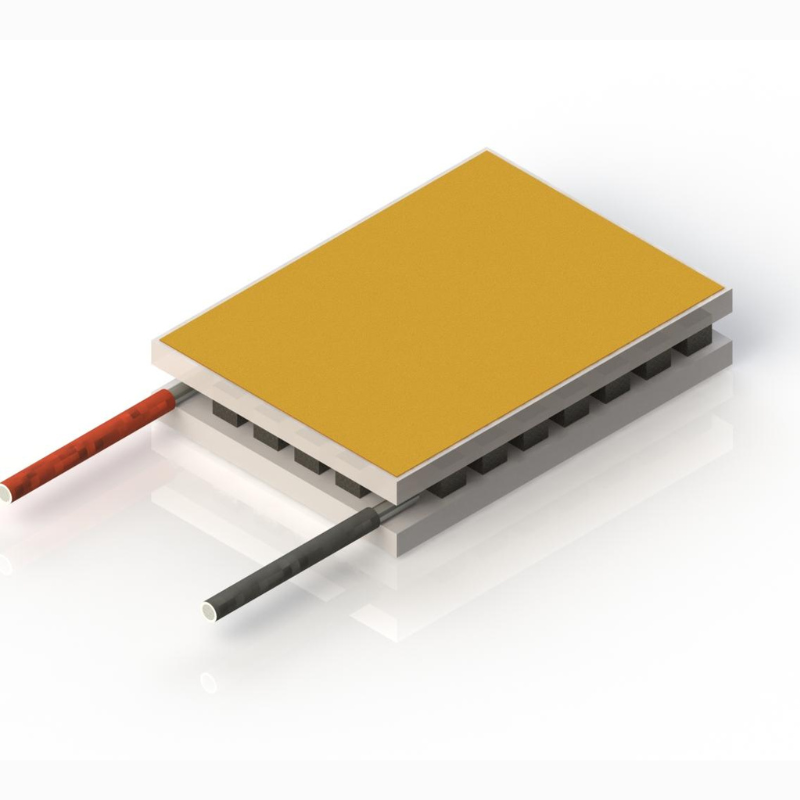
Energy Efficiency
Energy efficiency should also be considered when deciding between thermoelectric and compressor coolers. Thermoelectric coolers typically consume less power than compressor coolers. That’s because they don’t have moving parts, like compressors do. They can be run on small batteries or even a car’s power outlet without seriously depleting either. Thus, thermoelectric coolers are the ideal pick if you want to carry them for activities such as camping where there is no electricity. They are also energy-efficient and can save you money on electric bills as well. But keep in mind they may not cool as well as compressor coolers. Compressor coolers, on the other hand, are very good at getting cold but then consume more power. They have to work harder to keep things cold, and therefore use more electricity — and cost you more money. Whether a compressor cooler will take up too much power largely fluctuates across four factors: the temperature, how often you open or close your cooler, what type of battery your wine fridge has and the size of it. If you’re going to use a cooler for an extended period (let’s say you go on camping adventures every weekend), that extra energy used by a compressor could start to count after cumulative use. All in all, if you’re looking to save some energy and are OK with a cooler that might not cool quite as well, an electric thermoelectric cooler from PN is a decent option. But if you desire something that is very capable of cooling food and drinks to a pleasantly low temperature, and you don’t mind expending some extra energy (and drawing some juice from your vehicle’s battery), then a compressor cooler could be the right choice. Live within your own needs and how much energy you are willing to spend should be the deciding factor
Table of Contents
- Thermoelectric Coolers Versus Compressor Coolers: What are the main differences
- Where to Get the Top Wholesale Deals on Thermoelectric and Compressor Coolers
- Thermoelectric and compressor coolers both have their virtues, but they can also share some common problems you may experience
- Energy Efficiency

