 EN
EN

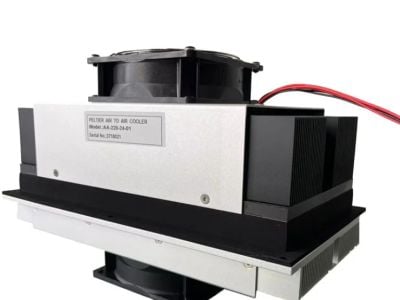
The future of thermoelectric cooling in smart manufacturing is increasingly vital as industries seek efficient, reliable solutions for temperature control in precision applications. With the rapid advancement of smart manufacturing technologies, companies are looking for innovative ways to enhance production efficiency, reduce energy consumption, and ensure product quality. This article addresses key considerations for B2B buyers, including how to choose the right thermoelectric cooler cooling peltier, evaluate specifications, understand cost factors, and stay informed on future trends in the industry.
How to Choose the Right Thermoelectric Cooling Solutions for Your Needs
Selecting the appropriate thermoelectric cooling solution involves understanding your specific application requirements. Begin by considering factors such as the cooling load, the operating temperature range, and the space available for installation. For instance, micro multi-stage thermoelectric cooling device, like those developed by PN, are ideal for applications requiring precise temperature control, such as in infrared, X-ray, and CCD technologies.
Additionally, evaluate the customization capabilities of the supplier. A manufacturer with a strong background in thermoelectric solutions can provide tailored products that meet unique operational needs. Engage in discussions regarding anticipated performance, compatibility with existing systems, and potential integration challenges. This collaborative approach will help ensure the selected solution aligns with your production goals.
Key Specifications to Evaluate in Thermoelectric Cooling Systems
When assessing thermoelectric cooling systems, several key specifications should be evaluated to ensure optimal performance:
Cooling Capacity: Measured in watts, this indicates the amount of heat the system can remove. It’s crucial to match the cooling capacity with the heat load of your application to avoid overheating or underutilization.
Temperature Range: The operating temperature range defines the limits within which the cooler can effectively operate. Make sure this range is suitable for your specific application to prevent system failures.
Size and Form Factor: The dimensions of the thermoelectric cooler impact installation feasibility. Ensure that the chosen module fits into the designated space without compromising functionality.
Power Consumption: Energy efficiency is critical in modern manufacturing. Look for models that provide optimal cooling with minimal energy usage, which can significantly impact operational costs over time.
Response Time: The speed at which the cooler can adjust to changes in temperature is vital in applications where precise control is necessary. A quick response time can enhance product quality and minimize wastage.
Understanding these specifications will empower buyers to make informed decisions, ensuring the selected systems meet both current and future operational demands.
Cost Factors to Consider When Purchasing Thermoelectric Coolers
Pricing for thermoelectric cooling solutions can vary significantly based on multiple factors:
Material Quality: High-performance materials often come at a higher cost but can enhance durability and efficiency. Consider the material properties that align with your application needs and budget constraints.
Customization Requirements: Custom solutions tailored to specific applications typically involve additional costs. However, they can provide significant long-term benefits by enhancing performance and efficiency.
Production Volume: The quantity of units required can influence pricing. Many manufacturers offer tiered pricing structures, where larger orders may lead to lower per-unit costs.
Lead Times: Rush orders or complex customizations may incur additional fees. Understanding the expected lead time can help in budgeting and scheduling production processes effectively.
Maintenance and Operational Costs: Consider not just the initial purchase price but also the total cost of ownership, which includes maintenance, energy consumption, and potential downtime due to equipment failure.
By considering these factors, buyers can better assess the total investment required for thermoelectric generator module cooling solutions and make strategic purchasing decisions.
What Buyers Need to Know
B2B buyers should approach the procurement of thermoelectric cooling systems with a clear understanding of their operational requirements and supplier capabilities. Here are essential aspects to keep in mind:
Requesting Quotations: When reaching out for quotes, provide detailed specifications, including cooling requirements, dimensions, power supply parameters, and any customization needs. This information will help suppliers give accurate pricing and lead time estimates.
Sample Approvals: Before committing to a mass order, request samples to evaluate performance under actual operating conditions. Testing samples can reveal potential issues related to fit, cooling efficiency, and integration with existing systems.
Quality Control Measures: Verify the manufacturer's quality control processes. A reputable supplier will have stringent testing protocols to ensure all products meet defined specifications and performance standards.
Supplier Evaluation: Assess potential suppliers based on their industry experience, technological capabilities, and customer service. A partner that understands the manufacturing landscape and can offer support during implementation is invaluable.
By focusing on these aspects, buyers can create a framework for selecting the right thermoelectric cooling solutions that align with their business goals.
Future Trends in Thermoelectric Cooling for Smart Manufacturing Applications
As smart manufacturing continues to evolve, so too will the innovations in thermoelectric cooling technology. Here are key trends shaping the future:
Integration with IoT: The rise of the Internet of Things (IoT) in manufacturing is leading to smarter thermoelectric cooling systems that can communicate with other devices. These systems will enable real-time monitoring and adjustments to optimize performance and energy use.
Advanced Materials: Research into new materials, such as nanomaterials and advanced semiconductors, is expected to enhance the efficiency and effectiveness of thermoelectric modules. These innovations may lead to smaller, more powerful units that consume less energy.
Sustainability Focus: As industries strive for greener practices, thermoelectric cooling solutions that minimize energy consumption and reduce environmental impact will become increasingly important. Manufacturers focusing on sustainable practices will likely gain a competitive edge.
Customization and Flexibility: The demand for customizable solutions will grow as manufacturers look for ways to tailor cooling systems to specific operational needs. Suppliers who can offer flexible designs and quick turnaround times will be favored.
By staying informed about these trends, buyers can ensure that their investments in thermoelectric cooling technology are forward-thinking and aligned with the future of smart manufacturing.
understanding the nuances of thermoelectric cooling solutions allows B2B buyers to make informed decisions that enhance operational efficiency and maintain product quality in an increasingly competitive landscape.
Table of Contents
- How to Choose the Right Thermoelectric Cooling Solutions for Your Needs
- Key Specifications to Evaluate in Thermoelectric Cooling Systems
- Cost Factors to Consider When Purchasing Thermoelectric Coolers
- What Buyers Need to Know
- Future Trends in Thermoelectric Cooling for Smart Manufacturing Applications

