 EN
EN

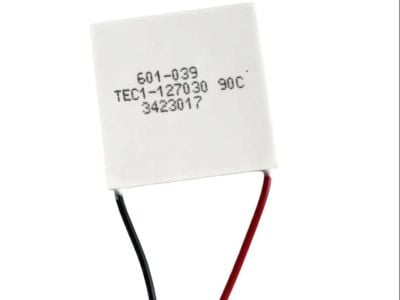
Improving thermal performance is critical in various applications, and advanced Peltier module technology offers a reliable solution for precise temperature control. These thermoelectric devices enable efficient heat transfer, which is essential for industries that rely on infrared, X-ray, and CCD technologies. We will address key buyer concerns including product specifications, sourcing quality modules, and maximizing thermal performance, ultimately guiding purchasing managers and engineers to make informed decisions when considering peltier generator.
Wholesale Purchasing Considerations for Peltier Modules
When considering wholesale purchases of Peltier modules, several factors come into play. First, it's vital to understand the specific thermal requirements of your application. Different modules are designed for various temperature ranges and performance metrics, so evaluating these specifications against your needs is crucial.
Additionally, you should assess the manufacturer's capabilities in terms of customization. Many applications may require tailored solutions, such as specific dimensions or performance characteristics, which can significantly impact the effectiveness of the modules in your systems. Furthermore, inquire about the minimum order quantities (MOQ) and lead times, as these can affect your project timelines and budget.
Lastly, consider the supplier's reputation and experience in the industry. A manufacturer like PN, with over 20 years of thermoelectric expertise, can provide insights into product performance, offer reliable solutions, and ensure quality control throughout the production process.
Where to Source High-Quality Peltier Modules for Bulk Orders
Sourcing high-quality Peltier modules begins with identifying reputable suppliers who specialize in thermoelectric products. Look for manufacturers who have a solid track record in the industry, such as those involved in advanced manufacturing processes and equipped with modern production equipment.
Trade shows, industry conferences, and online marketplaces can serve as valuable resources for connecting with potential suppliers. Always request product samples before committing to a bulk order, as this allows you to evaluate the actual performance and quality of the modules in your applications.
Another critical aspect is to verify the supplier's certifications and quality control processes. Reliable manufacturers will often have certifications that demonstrate compliance with industry standards, which can provide additional peace of mind regarding the quality and reliability of their products.
Quality and Cost Factors to Evaluate
When evaluating Peltier modules for purchase, consider both quality and cost factors in your decision-making process. Key specifications to focus on include thermal performance, maximum temperature differential, and power consumption. Each of these factors can significantly impact the module's effectiveness and suitability for your application.
For instance, the thermal performance is often measured in terms of cooling capacity and temperature differential; understanding these metrics can help you determine whether a specific module meets your needs. Additionally, look into the materials used in the construction of the modules, as high-quality materials can enhance durability and performance.
Cost is also a vital consideration. While it's tempting to opt for the lowest price, this may not always yield the best value in terms of performance and longevity. Consider the total cost of ownership, which includes not only the unit price but also potential maintenance costs, energy consumption, and replacement frequency. This approach will allow you to make a more informed decision that balances quality with budget constraints.
Maximizing Thermal Performance with Peltier Modules
To maximize thermal performance with Peltier modules, understanding the operating environment and application requirements is essential. First, assess the heat sink design, as efficient heat dissipation is key to ensuring optimal module performance. A well-designed heat sink will facilitate effective thermal management, enabling the peltier effect cooling system to maintain the desired temperature differential.
Moreover, consider the power supply requirements. Matching the power supply characteristics with the module specifications is vital for achieving peak performance. A mismatched power source can lead to inefficient operation or even damage the module.
It's also advisable to conduct thorough testing under actual operating conditions before mass production. This will help identify any potential issues with thermal transfer or module compatibility with your systems. By validating performance in real-world scenarios, you can ensure that the Peltier modules will deliver the expected results in your applications.
Common Problems with Peltier Modules and Effective Solutions
Despite their advantages, Peltier modules can encounter several common problems that may affect their performance. One frequent issue is insufficient thermal management, which can lead to overheating and reduced efficiency. To address this, ensure that your heat sink is appropriately sized and designed to handle the thermal load generated by the module.
Another challenge is the potential for moisture ingress, which can affect module reliability. Implementing proper sealing techniques or using moisture-resistant materials can help mitigate this risk. Additionally, consider the placement of the modules within your application to minimize exposure to harsh environmental conditions.
Lastly, buyers should be aware of the importance of sample approval. Before proceeding with mass production, verifying that the modules perform as expected through comprehensive testing can prevent costly errors and ensure that the final product meets specifications. By proactively addressing these issues, you can enhance the longevity and performance of your peltier cooling module in their intended applications.
By understanding these key aspects of Peltier module technology, purchasing managers, engineers, and product managers can make informed decisions that lead to improved thermal performance in their applications.

