 EN
EN

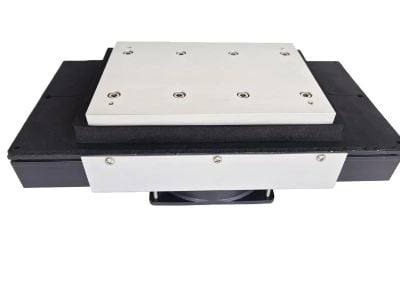
Thermoelectric cooling technology has gained significant traction among Original Equipment Manufacturers (OEMs) in the development of compact devices. This article explores why OEMs prefer thermoelectric cooling for their products, addressing key buyer concerns such as performance, reliability, and customization. Readers will gain insights into the advantages of thermoelectric cooling systems, essential quality evaluations, installation guidance, and solutions to common challenges, aiding in informed purchasing decisions.
Understanding Why OEMs Prefer Thermoelectric Cooling for Compact Devices
OEMs are increasingly turning to thermoelectric cooling (TEC) for compact devices due to its unique advantages over traditional cooling methods. TEC systems utilize the Peltier effect to create a heat differential, allowing for precise temperature control in small form factors. This technology is particularly suitable for applications requiring reliability and compactness, such as infrared sensors, X-ray equipment, and CCD cameras. One of the main concerns for OEMs is the ability to maintain performance under various operating conditions. peltier thermoelectric cooler offer the flexibility to operate in diverse environments, supporting compact designs without compromising on efficiency. Additionally, the ability to tailor TEC modules to specific application requirements enhances their appeal. Customization options can include variations in size, cooling capacity, and thermal management configurations, ensuring that the final product meets precise performance criteria.
The Advantages of Thermoelectric Cooling in Compact Device Applications
Thermoelectric cooling systems present several advantages that make them ideal for compact device applications. First and foremost is their size. Unlike traditional cooling methods that may require bulky components such as compressors and refrigerants, TEC modules are compact and lightweight, making them easy to integrate into small devices. Another significant advantage is energy efficiency. thermoelectric cooler systems generally consume less power compared to conventional cooling systems, which is crucial for battery-operated devices. This efficiency translates not only to lower operational costs for users but also enhances the overall sustainability of the product. Furthermore, TECs are known for their reliability and maintenance-free operation. They have no moving parts, which reduces the risk of mechanical failures and enhances product longevity. This reliability is particularly important for OEMs looking to deliver high-quality, durable products to their customers.
Evaluating Product Quality in Thermoelectric Cooling Modules
When selecting thermoelectric cooling modules, OEMs must evaluate several key quality factors to ensure optimal performance. One critical aspect is the thermal resistance of the module, which directly impacts its cooling efficiency. Buyers should verify the thermal resistance specifications to understand how well the module can dissipate heat and maintain desired temperatures. Material selection is also paramount. TEC modules can be constructed from various materials, including bismuth telluride, which is commonly used for its excellent thermoelectric cooler cooling peltier properties. Buyers should inquire about the materials used and their suitability for specific applications, including their thermal conductivity and response to environmental factors such as moisture and temperature fluctuations.
Lastly, quality control processes during manufacturing can significantly impact final product performance. Buyers should seek information on the manufacturer’s quality assurance protocols, including testing methods for performance and reliability before mass production. This ensures that the modules meet required specifications consistently.
Installation Guidance for Optimal Performance of Thermoelectric Devices
Proper installation of thermoelectric cooling modules is essential for achieving optimal performance. OEMs should consider the following key factors during installation:
Thermal Interface Material (TIM): The selection and application of TIM between the TEC module and the heat sink is crucial for effective heat transfer. A poorly applied TIM can lead to increased thermal resistance and inefficient cooling.
Mounting Orientation: The orientation of the TEC module can affect its performance. Ensure that the module is installed according to the manufacturer's guidelines to avoid issues related to thermal cycling or uneven heating.
Electrical Connections: Proper electrical connections are vital. Ensure that all connections are secure and that the electrical specifications align with the module’s requirements to prevent performance issues or potential damage.
Testing: Before finalizing the design, conducting tests under actual operating conditions can help identify any potential issues with heat dissipation or module performance. This step is essential for confirming that the installation meets the expected cooling requirements.
Common Challenges with Thermoelectric Cooling and Their Solutions
Despite the advantages of thermoelectric cooling, OEMs may encounter several challenges during implementation. One common issue is thermal cycling, which can lead to module degradation over time. To mitigate this, it's important to select high-quality TEC modules designed to withstand thermal fluctuations and to implement effective thermal management strategies.
Another challenge is ensuring compatibility with other components in the device. For instance, surrounding electronics may generate heat that could affect the cooling performance of the TEC. It is advisable to conduct a comprehensive thermal analysis during the design phase to ensure that the cooling system can effectively manage heat loads from all components.
Finally, supply chain considerations can impact lead times and product availability. OEMs should establish strong communication with manufacturers, like PN, to understand production capacities, minimum order quantities, and expected lead times. This proactive approach can help mitigate risks related to delays in procurement and ensure timely product launches.
By addressing these challenges with informed strategies and close attention to quality and installation processes, OEMs can effectively leverage thermoelectric cooling in their compact devices, enhancing performance and reliability for end-users.
Table of Contents
- Understanding Why OEMs Prefer Thermoelectric Cooling for Compact Devices
- The Advantages of Thermoelectric Cooling in Compact Device Applications
- Evaluating Product Quality in Thermoelectric Cooling Modules
- Installation Guidance for Optimal Performance of Thermoelectric Devices
- Common Challenges with Thermoelectric Cooling and Their Solutions

