 EN
EN

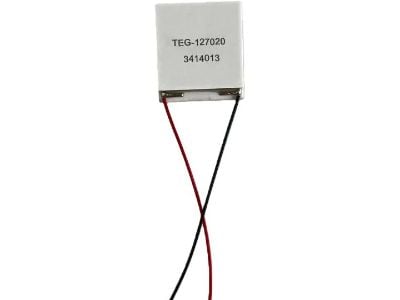
Understanding Thermoelectric Cooling Technology for Industrial Equipment
Thermoelectric cooling technology plays a crucial role in maintaining optimal temperatures for various industrial applications. This article provides an in-depth understanding of thermoelectric cooling technology, focusing on its relevance to industrial equipment. Key concerns for B2B buyers include efficiency, reliability, and customization options. We will explore thermoelectric cooling device applications, essential specifications, technology comparisons, purchasing guidelines, and quality evaluation criteria to help you make informed decisions.
Understanding Thermoelectric Cooling Applications in Industrial Equipment
Thermoelectric cooling (TEC) technology is widely used in diverse industrial applications, particularly where precise temperature control is paramount. For instance, TEC modules are essential in infrared, X-ray, and CCD applications, where maintaining specific temperatures is crucial for performance and accuracy. These modules operate based on the Peltier effect, where a voltage difference creates a temperature differential, enabling effective heat removal.
In industrial settings, TEC modules are suitable for applications like laser cooling, medical equipment, and electronic component refrigeration. They are preferred for their compact size, lightweight design, and ability to maintain stable thermoelectric cooling plate without moving parts, reducing the risk of mechanical failure. When selecting a thermoelectric cooler, consider the specific application requirements, such as temperature range, cooling capacity, and installation constraints, to ensure optimal performance.
Key Specifications to Consider for Thermoelectric Cooling Modules
When evaluating thermoelectric cooling modules, several key specifications should be taken into account:
Cooling Capacity: Measured in watts, this indicates how effectively a TEC can remove heat. The required capacity will depend on the heat load of your application, so it’s essential to calculate this before selecting a module.
Temperature Range: The operational temperature range defines the limits within which the TEC can function effectively. Ensure that the chosen module can maintain the necessary temperatures for your specific application.
Voltage and Current Ratings: TEC modules operate with specific voltage and current levels. Understanding these ratings is crucial for compatibility with your existing systems and ensuring efficient operation.
Material Composition: The materials used in the TEC module affect its efficiency and performance. Common materials include bismuth telluride, which is known for its effectiveness at room temperature. However, application-specific requirements may necessitate different material choices.
Size and Configuration: The physical dimensions and configuration of the TEC module must fit your design requirements. Consider the available space and how the module integrates with other components.
When requesting a quotation, provide these specifications to help suppliers recommend the most suitable products for your needs.
Comparing Thermoelectric Cooling Technologies for Optimal Performance
Various thermoelectric cooling technologies are available, each with unique strengths and weaknesses. Understanding these differences can guide you in selecting the best solution for your industrial application:
Single-Stage TEC Modules: These are straightforward and cost-effective, ideal for applications with less demanding cooling requirements. They typically offer lower cooling capacities but are simpler to integrate into existing systems.
Multi-Stage TEC Modules: Designed for applications requiring greater temperature differentials, multi-stage TECs can achieve lower temperatures than single-stage units. They are suitable for high-performance scenarios, such as semiconductor cooling or laser applications, but may require more complex control systems.
Active vs. Passive Cooling: Active TECs use electrical energy to create a temperature difference, while passive systems rely on heat sinks and natural convection. Active TECs are preferred for precision cooling, whereas passive systems may suffice for less critical applications.
Hybrid Systems: Combining TECs with traditional cooling methods, such as fans or heat exchangers, can enhance overall cooling performance. This approach is beneficial when dealing with high heat loads or when space constraints limit the use of conventional systems.
Comparing these technologies based on your specific application requirements will help you achieve optimal performance and efficiency.
Wholesale Purchasing Guide for Thermoelectric Cooling Products
When considering wholesale purchases of thermoelectric cooling products, several factors come into play to ensure a successful transaction:
Minimum Order Quantity (MOQ): Different suppliers may have varying MOQs, which can affect your purchasing decision. Assess your project requirements to determine the appropriate quantity needed.
Customization Options: Many manufacturers, including PN, offer customization capabilities for their thermoelectric products. Discuss your specific requirements, such as size, voltage, or configuration, to ensure the TEC modules meet your application needs.
Pricing Factors: Be aware that pricing can fluctuate based on order quantity, complexity of customization, and material costs. Request detailed quotations from multiple suppliers to compare pricing effectively.
Lead Time: Understand the lead time for production and delivery, especially if your project is time-sensitive. Discuss potential expedited options with suppliers if necessary.
Packaging and Shipping: Ensure that the packaging method protects the TEC modules during transportation. Discuss shipping options and costs to avoid unexpected expenses.
By addressing these factors, you can streamline the purchasing process and ensure that you receive high-quality thermoelectric cooling products that meet your specifications.
Evaluating Quality in Thermoelectric Cooling Equipment for Projects
Quality assurance is essential when selecting thermoelectric cooling equipment for your projects. Here are key considerations for evaluating product quality:
Material Quality: Verify the material composition of the TEC modules. High-quality materials, such as bismuth telluride, enhance performance and longevity. Consider requesting material certifications from the manufacturer to ensure compliance with industry standards.
Manufacturing Processes: Investigate the manufacturing capabilities of the supplier. A reputable manufacturer should have advanced production equipment and quality control processes in place to ensure consistency and reliability.
Testing and Validation: Inquire about the testing protocols used for the TEC modules. Manufacturers should conduct thorough performance testing to validate cooling capacities and temperature ranges under various conditions.
Certifications: While specific certifications were not provided in the company background, it is advisable to look for standard certifications relevant to thermoelectric cooling products, such as ISO or CE certifications. These certifications indicate adherence to quality management and safety standards.
Customer Feedback: Seek out reviews and testimonials from previous customers to gauge the reliability and performance of the products. This feedback can provide insights into the manufacturer's reputation and product durability.
By carefully evaluating these quality indicators, you can make informed decisions that will benefit your projects in the long run.
Understanding thermoelectric cooling technology and its applications equips you with the necessary knowledge to make informed purchasing decisions. By considering key specifications, comparing technologies, and evaluating quality, you can ensure that the thermoelectric cooling system solutions you select will meet your industrial needs effectively.
Table of Contents
- Understanding Thermoelectric Cooling Technology for Industrial Equipment
- Understanding Thermoelectric Cooling Applications in Industrial Equipment
- Key Specifications to Consider for Thermoelectric Cooling Modules
- Comparing Thermoelectric Cooling Technologies for Optimal Performance
- Wholesale Purchasing Guide for Thermoelectric Cooling Products
- Evaluating Quality in Thermoelectric Cooling Equipment for Projects

