 EN
EN

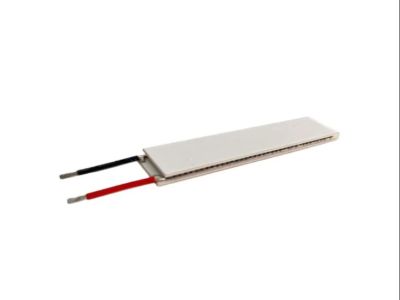
Thermal design plays a critical role in thermoelectric cooling (TEC) applications, influencing performance, efficiency, and reliability. For B2B buyers, understanding thermal design is essential to ensure their cooling solutions meet specific requirements in sectors such as medical imaging, industrial processing, and electronics. This article explores how to choose the right TEC module, cost considerations, sourcing suppliers, common challenges, and the advantages of customized thermal designs.
How to Choose the Right TEC Module for Your Cooling Applications?
Selecting the right TEC module involves evaluating several key specifications, including the desired temperature range, cooling capacity, and physical dimensions. Buyers must consider the heat load of the application, as this directly influences the TEC’s performance. For instance, in infrared applications, precise temperature control is crucial. Therefore, it’s important to assess the module's maximum temperature differential (ΔT) and cooling power (Qmax) under specific conditions.
Another critical factor is the module's configuration. Multi-stage TEC modules can offer enhanced cooling performance but may require more complex integration and control systems. Buyers should also consider the material composition of the tec cooler elements, typically bismuth telluride, which affects thermal conductivity and efficiency. Compatibility with existing systems, including power supply and control interfaces, should be confirmed to avoid installation issues. Finally, discussing customization options with manufacturers can lead to tailored solutions that align precisely with application needs.
Cost Factors to Consider When Sourcing TEC Cooling Products
When sourcing TEC cooling products, various cost factors come into play. The initial purchase price is often just one aspect of the total cost of ownership. Buyers should consider the following:
Material Costs: The choice of materials, such as semiconductor elements and insulations, impacts both performance and cost. Higher quality materials may lead to better efficiency and longer lifecycle but can increase upfront costs.
Customization Requirements: Custom solutions tailored to specific applications often involve additional design and manufacturing expenses. However, investing in a customized TEC module can lead to significant long-term savings through improved efficiency and reduced operational costs.
Production Volume: Minimum order quantities (MOQs) can affect per-unit pricing. Understanding the production capacity of suppliers and the implications of larger orders on pricing can help buyers negotiate better terms.
Lead Time and Shipping Costs: Longer lead times may necessitate additional inventory costs. Assessing the supplier's production capabilities and their shipping logistics can help buyers manage costs effectively.
Quality Assurance: Ensure the supplier has a robust quality control process in place, as poor quality can lead to failures and costly replacements.
Where to Find Reliable Suppliers for Thermoelectric Cooling Systems
Finding reliable suppliers for thermoelectric cooling systems requires thorough research and evaluation. Start by identifying manufacturers with a strong reputation in the industry, such as those with at least a decade of experience in thermoelectric applications. Websites, industry publications, and trade shows can provide insights into potential suppliers and their product offerings.
Additionally, consider suppliers who emphasize customization and have proven capabilities in producing high-performance TEC modules. Requesting samples and technical data can help assess their product quality and compatibility with your application needs. Certifications such as ISO9001 can also indicate a commitment to quality management.
Networking within industry-specific forums or associations can reveal valuable recommendations and firsthand experiences with various suppliers. Finally, always verify references and seek out case studies that demonstrate the supplier’s success in similar applications.
Common Problems in TEC Applications and Their Effective Solutions
In TEC applications, several common problems can arise, but effective solutions exist. Here are a few issues and troubleshooting tips:
Insufficient Cooling Performance: If a TEC module fails to achieve the desired cooling effect, confirm that the heat load calculations were accurate. Review the specifications of the micro tec module to ensure it is appropriate for the application. Adjusting the power supply parameters can also yield better results.
Thermal Cycling Issues: Repeated thermal cycling can lead to fatigue in the TEC materials. To mitigate this, ensure that the tec cooling system is installed with appropriate thermal interface materials and that mechanical stress is minimized during operation.
Module Failure: TEC modules may fail due to excessive heat or voltage. Implementing a proper thermal management system, including heat sinks and temperature sensors, can prevent overheating. Regular monitoring and maintenance of the power supply can also help avoid voltage issues.
Condensation Problems: In applications where moisture is a concern, ensure that the TEC module is adequately sealed against environmental factors. Using conformal coatings or encapsulation can protect the module from moisture ingress.
By proactively addressing these common issues, buyers can enhance the reliability and performance of their TEC systems.
Benefits of Customized Thermal Designs in Industrial Applications
Customized thermal designs offer significant advantages in industrial applications. One primary benefit is improved efficiency; tailored solutions can optimize temperature control based on the specific thermal load and environmental conditions of the application. This not only enhances performance but can also reduce energy consumption, leading to cost savings over time.
Another advantage is enhanced reliability. Customized TEC modules can be designed to withstand specific operating conditions, such as extreme temperatures or humidity levels, thereby reducing the likelihood of failure. This is particularly important in sensitive applications like medical imaging, where consistent performance is critical.
Additionally, customized solutions allow for better integration into existing systems. By collaborating with manufacturers who understand the nuances of thermal design, buyers can ensure that the TEC modules fit seamlessly into their operational workflows, minimizing installation challenges and maximizing system performance.
understanding the importance of thermal design in TEC cooling applications is crucial for B2B buyers. By considering the right specifications, cost factors, reliable suppliers, common issues, and the benefits of customization, purchasing managers and engineers can make informed decisions that enhance their cooling solutions.
Table of Contents
- How to Choose the Right TEC Module for Your Cooling Applications?
- Cost Factors to Consider When Sourcing TEC Cooling Products
- Where to Find Reliable Suppliers for Thermoelectric Cooling Systems
- Common Problems in TEC Applications and Their Effective Solutions
- Benefits of Customized Thermal Designs in Industrial Applications

