 EN
EN

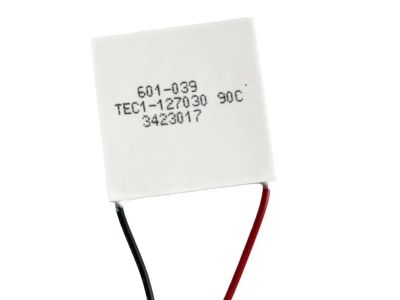
Peltier modules are critical components in laboratory instruments, providing precise temperature control for various applications. These thermoelectric devices use the Peltier effect to create a heat differential, enabling stable temperature regulation essential for scientific experiments and measurements. B2B buyers, including purchasing managers and engineers, often seek reliable and high-performance Peltier modules that can meet stringent specifications and application requirements. This article will help you understand how to choose the right Peltier modules for laboratory instruments, evaluate their specifications, identify reliable suppliers, and recognize key quality indicators in the context of temperature control systems.
Choosing the Right Peltier Module for Laboratory Instrument Applications
When selecting Peltier modules for laboratory instrumentation, a few fundamental considerations come into play. First, you need to assess the application's temperature range requirements. Peltier modules can operate effectively across various temperature differentials; however, the chosen module must align with the specific temperature control needs of your application, whether it involves cooling, heating, or maintaining a stable temperature. Another crucial aspect is the module's size and configuration. In laboratory settings, space is often limited. Therefore, selecting a compact, micro multi-stage module, such as those developed by PN, can optimize space without compromising on performance. Additionally, consider the power requirements, as some applications may demand modules that can handle higher currents without overheating. Finally, customization capabilities are vital. Different laboratory instruments may have unique powerful peltier module profiles or physical constraints. Working with manufacturers that offer tailored solutions can ensure you achieve the desired performance and fit within your equipment.
Specifications and Performance Factors
Understanding the specifications of Peltier modules is essential for ensuring they meet your laboratory's needs. Key specifications include:
Thermal Resistance: This measures how effectively the module can transfer heat. Lower thermal resistance typically indicates better performance in temperature regulation.
Maximum Temperature Differential (ΔT): This is the maximum temperature difference the Peltier module can achieve between its hot and cold sides. It's crucial to select a module with an appropriate ΔT to meet your application's requirements.
Current Rating: This specification indicates the maximum current the module can handle. Exceeding this rating can lead to overheating and failure.
Size and Dimensions: Proper fit within your instrument is essential. Ensure that the module's dimensions align with your design specifications.
Evaluating these specifications in relation to your intended application will help you select the most suitable Peltier module. For instance, if your application requires rapid cooling, focus on modules with lower thermal resistance and higher current ratings.
Finding Reliable Suppliers
Identifying reliable suppliers for Peltier modules is critical to ensuring consistent quality and performance. Start by researching manufacturers with a proven track record in thermoelectric technology, such as PN, which has two decades of expertise in developing high-performance thermoelectric products. Look for suppliers that have robust quality control processes in place, including testing procedures for their modules.
Engage with suppliers who provide comprehensive product documentation, including datasheets that outline specifications, performance data, and application guidelines. This transparency is a sign of a trustworthy supplier. Moreover, consider suppliers who offer customization options, as this flexibility can be invaluable for specific laboratory applications.
Requesting references or case studies from previous clients can also help gauge the reliability of a supplier. Understanding their experience with similar applications will give you confidence in their ability to meet your needs.
Key Quality Indicators for Peltier Modules in Scientific Instruments
Quality indicators are essential when evaluating Peltier modules for scientific instruments. Here are some key factors to consider:
Certification and Compliance: Ensure that the modules meet relevant industry standards and certifications. This can include ISO certifications, which indicate that the manufacturer adheres to quality management standards.
Performance Testing: High-quality suppliers often conduct rigorous performance testing on their modules before shipment. Inquire about the testing procedures and any available performance data.
Material Quality: The materials used in the construction of peltier module air cooler significantly affect their longevity and performance. Look for modules that utilize high-grade semiconductor materials and robust encapsulation methods to ensure durability.
Warranty and Support: A reliable supplier should offer a warranty and technical support for their products. This indicates confidence in their quality and provides you with recourse in case of issues.
By paying attention to these quality indicators, you can ensure that the Peltier modules you select will perform reliably in your laboratory instruments.
Applications of Peltier Modules in Temperature Control Systems
Peltier modules are versatile components used in various laboratory applications for temperature control. Common applications include:
Cooling Systems for Laser Devices: Peltier modules help maintain optimal temperature conditions for laser diodes, ensuring consistent performance and extending their lifespan.
Thermal Control in Sensors and Detectors: Many scientific instruments, such as CCD cameras and infrared detectors, require precise temperature management to enhance sensitivity and accuracy. Peltier modules are ideal for these applications, offering rapid temperature stabilization.
Sample Temperature Regulation: In biological or chemical experiments, controlling the temperature of samples is crucial. Peltier modules can provide the necessary heating or cooling to maintain the desired conditions without the risk of overheating or freezing.
Understanding these applications can guide you in selecting the right peltier module for cooling that will enhance the performance of your laboratory instruments, ensuring reliable results in your scientific endeavors. Investing in quality Peltier modules that meet your specific application requirements is essential for achieving stable and accurate temperature control in laboratory settings.

