 EN
EN

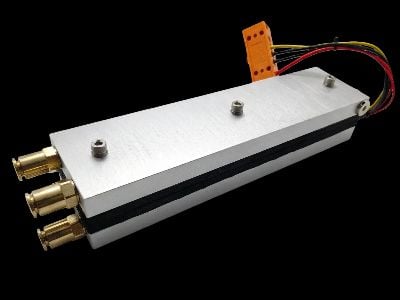
Peltier modules are essential components in various electronic applications, known for their ability to create a temperature difference when an electric current passes through them. This technology significantly enhances the reliability of electronic components by providing precise temperature control. For B2B buyers, understanding how Peltier modules improve reliability is critical for ensuring optimal performance in applications such as infrared sensors, X-ray equipment, and CCD devices. This article will explore the benefits of Peltier modules, guide you in choosing the right module for your needs, examine key specifications, discuss cost factors for bulk orders, and offer installation guidance for optimal performance.
How Peltier Modules Enhance Reliability in Electronic Components?
Peltier modules, or thermoelectric coolers (TECs), are widely used to maintain stable temperatures in electronic components, which is vital for their reliability and longevity. By effectively managing heat dissipation, these modules prevent overheating, a common issue that can lead to component failure. Reliable temperature control is crucial in applications like infrared optics, where even minor temperature fluctuations can affect performance. Moreover, Peltier modules can be customized to meet specific thermal requirements, ensuring that the cooling or heating is precisely tailored to the component's needs. This adaptability not only enhances operational efficiency but also minimizes the risk of damage caused by temperature extremes. When selecting a cooling peltier module, it's essential to consider the specific thermal load and environmental conditions it will face to ensure that it can perform reliably over time.
Choosing the Right Peltier Module for Your Specific Applications
Selecting the appropriate Peltier module depends on various factors, including the application requirements, thermal load, and desired performance characteristics. First, identify the cooling capacity required for your specific application. Peltier modules are rated based on their cooling power, typically expressed in watts (W). Understanding the heat load that needs to be managed is crucial for determining the right module size and configuration.
Another important aspect is the operating voltage and current specifications. These parameters dictate how effectively the module will work in your setup. Ensure that the selected module is compatible with your existing electrical system to avoid inefficiencies or potential damage. Additionally, consider the environmental conditions: factors such as humidity, dust exposure, or extreme temperatures can influence the peltier cooler performance and longevity.
Lastly, customization options can significantly impact performance. Depending on your application, you might require specific dimensions, connectors, or thermal interface materials. Collaborating with a reputable manufacturer, like PN, can help you obtain a tailored solution that meets your unique requirements.
Key Specifications of Peltier Modules for Industrial Use Cases
When evaluating Peltier modules for industrial applications, several key specifications should be considered:
Cooling Capacity: This indicates the amount of heat the module can transfer, crucial for applications with significant thermal loads. It’s measured in watts and should match or exceed the heat load of the components being cooled.
Voltage and Current Ratings: These specifications define the electrical requirements for optimal operation. Operating outside these parameters can lead to reduced efficiency or damage.
Temperature Differential (ΔT): This specification indicates the maximum temperature difference the module can achieve between its hot and cold sides. Understanding this is vital for applications with strict thermal requirements.
Material Composition: The semiconductor materials used in Peltier modules impact their efficiency and thermal performance. Common materials include bismuth telluride, which is effective at room temperature but may not perform well in extreme conditions.
Dimensions and Form Factor: The physical size of the module must be compatible with your design. This includes considerations for mounting, heat sinking, and airflow.
Thermal Resistance: This specification indicates how much thermal resistance exists between the hot and cold sides, impacting the efficiency of heat transfer. Lower thermal resistance generally leads to better performance.
Understanding these specifications allows buyers to select a module that will perform reliably in their specific industrial applications, ensuring longevity and efficiency.
Understanding the Cost Factors of Peltier Modules for Bulk Orders
When considering bulk orders of Peltier modules, several cost factors come into play that can affect the overall purchasing decision. First, the unit price typically decreases with larger quantities due to economies of scale. However, buyers should also consider the following aspects:
Customization: Custom specifications may incur additional costs. If unique dimensions, materials, or performance characteristics are required, buyers should get detailed quotes that outline these expenses.
Material Costs: The price of raw materials, such as semiconductor materials and thermal interface compounds, can fluctuate. Buyers should be aware of how these changes can impact the final pricing of the modules.
Lead Time: Custom orders may have longer lead times, which can affect project timelines. Buyers should factor in potential delays in production and shipping when planning their purchases.
Quality Assurance: Investing in quality control processes can add to the upfront costs but may save money in the long run by reducing failures and warranty claims. Ensuring that the manufacturer has a robust quality control system can mitigate risks associated with subpar products.
After-Sales Support: Including support services in the purchase agreement may raise initial costs but can provide significant value through installation guidance, troubleshooting, and warranty services.
Understanding these cost factors ensures that buyers can make informed decisions when ordering Peltier modules in bulk, balancing performance needs with budgetary constraints.
Installation Guidance for Optimal Performance of Peltier Modules
Proper installation of Peltier modules is essential to maximize their performance and reliability. Here are key considerations for ensuring optimal operation:
Thermal Interface Materials (TIM): Utilizing an appropriate TIM between the Peltier module and the component being cooled is critical. This material enhances thermal conductivity and ensures efficient heat transfer. Buyers should choose TIMs that suit their application conditions, considering factors like thermal conductivity and operational temperatures.
Heat Sinking: Effective heat sinking on the hot side of the Peltier module is necessary to dissipate heat efficiently. Failure to do so can result in reduced cooling performance and increased risk of module failure. Ensure that the heat sink is designed to handle the expected heat load without excessive temperature buildup.
Electrical Connections: Ensure that electrical connections are secure and compatible with the module's specifications. Improper connections can lead to inefficiencies or even damage. It’s advisable to use connectors that are rated for the expected voltage and current to maintain optimal performance.
Testing and Validation: Before mass production, it is vital to test a sample peltier device cooler under actual operating conditions. This testing ensures that the module performs as expected and meets the required specifications. Conducting these tests helps identify potential issues early in the production process.
Environmental Considerations: If the application involves exposure to moisture, dust, or extreme temperatures, consider additional protective measures such as conformal coatings or enclosures. These can significantly enhance the reliability of the Peltier module in harsh environments.
By following these installation guidelines, buyers can ensure that their Peltier modules operate efficiently and reliably, ultimately contributing to the performance and longevity of the electronic components they support.
Table of Contents
- How Peltier Modules Enhance Reliability in Electronic Components?
- Choosing the Right Peltier Module for Your Specific Applications
- Key Specifications of Peltier Modules for Industrial Use Cases
- Understanding the Cost Factors of Peltier Modules for Bulk Orders
- Installation Guidance for Optimal Performance of Peltier Modules

