 EN
EN

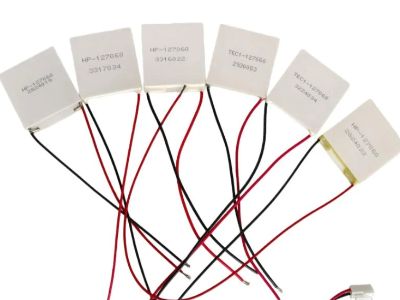
Thermoelectric coolers (TEC) are essential components in various industrial applications, delivering precise temperature control for critical processes. Understanding the factors affecting TEC cooler performance and cooling efficiency is crucial for B2B buyers, including purchasing managers and engineers. This article provides insights into key specifications, sourcing strategies, purchasing considerations, and common issues faced with tec cooler, enabling you to make informed decisions for your projects.
Factors Influencing TEC Cooler Performance in Industrial Applications
The performance of thermoelectric coolers (TECs) can be influenced by several factors that directly impact their cooling efficiency and reliability. Primary among these are the thermoelectric cooler design, materials used, and the operating conditions.
TEC Design: The configuration of the TEC, including the number of stages, directly affects its cooling capacity. Multi-stage TECs offer enhanced performance for applications requiring significant temperature differentials, such as infrared or X-ray systems.
Material Selection: The choice of semiconductor materials (typically bismuth telluride for standard applications) can significantly impact performance. The thermal conductivity, electrical conductivity, and Seebeck coefficient of the materials dictate the cooler's efficiency. Buyers should ensure that the materials selected are suited for the intended temperature range and environmental conditions.
Operating Conditions: The heat load, ambient temperature, and thermal resistance at the heat sink interface can greatly affect the cooling capability. A TEC's performance degrades if the heat dissipation is insufficient or if it operates outside of its specified temperature range. Buyers should conduct thorough thermal analysis to match the TEC with the application's specific requirements.
Key Specifications to Consider
When evaluating TEC coolers, buyers should focus on several critical specifications:
Cooling Capacity: Measured in watts, this indicates how much heat a micro tec can remove from a system. It's vital to match this specification with the application’s thermal load to ensure efficient operation.
Temperature Range: TECs have specific operational temperature limits. Understanding the maximum and minimum temperatures is crucial for applications that require precise thermal management.
Voltage and Current Ratings: Ensuring the TEC operates within specified electrical parameters is essential for optimal efficiency and longevity. Overvoltage or excessive current can lead to premature failure.
Size and Form Factor: TECs come in various sizes and configurations. The physical dimensions must align with the installation space without compromising thermal performance.
Thermal Resistance: This metric indicates the effectiveness of the TEC in transferring heat from the hot side to the cold side. A lower thermal resistance typically translates to better performance.
Each of these specifications must align with your application needs to avoid operational inefficiencies.
Where to Source Reliable TEC Coolers for Bulk Orders?
Sourcing TEC coolers requires careful consideration to ensure reliability and quality. Here are some effective strategies:
Established Manufacturers: Partner with reputable manufacturers who specialize in thermoelectric technology, like PN, which has over 20 years of expertise in developing high-performance TEC modules. Such manufacturers often provide detailed product documentation and support.
Quality Certifications: Look for suppliers that hold relevant industry certifications (e. g., ISO 9001). This can be an indicator of a supplier's commitment to quality control and consistency in manufacturing processes.
Customer Reviews and Case Studies: Investigate customer feedback and application case studies to gauge the performance of the TEC coolers in similar industrial contexts. This can provide insights into real-world performance and reliability.
Customization Capabilities: Ensure the supplier can accommodate specific requirements, such as custom sizes or performance specifications. This flexibility can be crucial in meeting unique application needs.
MOQ and Lead Times: Understand the minimum order quantities (MOQ) and lead times for bulk orders. Suppliers with efficient production capabilities can often provide faster turnaround times.
What to Look For Before Purchasing?
Prior to making a purchase, consider these essential evaluations:
Sample Testing: Request samples of the TEC coolers to conduct performance testing under your specific operating conditions. This helps validate the manufacturer's claims regarding cooling capacity and efficiency.
Technical Support: Assess the level of technical support offered by the supplier. Reliable manufacturers should provide assistance in installation and troubleshooting, which can be invaluable post-purchase.
Warranty and After-Sales Service: Evaluate the warranty terms and after-sales service policies. A strong warranty can provide peace of mind, indicating the manufacturer's confidence in their product's durability.
Documentation and Specifications: Ensure all technical documentation is complete, including datasheets that outline performance metrics and operating conditions. This information is crucial for compliance and integration into your systems.
Cost Considerations: While price is important, focus on total cost of ownership. Lower upfront costs may lead to higher maintenance or replacement expenses. Thus, consider long-term performance and efficiency.
Common Problems with TEC Coolers and Effective Solutions
While TEC coolers are reliable, they can face challenges that may affect performance. Here are common issues and their solutions:
Overheating: If a TEC experiences overheating, it can lead to reduced efficiency or failure. Ensure adequate heat sinking and airflow around the TEC to facilitate proper heat dissipation.
Inefficient Cooling: This may occur if the TEC is mismatched with the application. Conduct thorough thermal simulations to optimize TEC selection based on the specific thermal load and application requirements.
Electrical Failures: Overcurrent or voltage spikes can damage TECs. Implement protective circuitry, such as fuses, to safeguard against electrical anomalies.
Mechanical Stress: Thermal cycling can induce mechanical stress on the TEC. Ensure that the mounting method allows for expansion and contraction without compromising the TEC’s integrity.
Poor Connection Quality: Ensure that connections to the TEC are secure and made with appropriate materials to minimize resistance, which could lead to performance issues.
Addressing these challenges proactively can enhance the longevity and efficiency of TEC systems in industrial applications.
By understanding these factors affecting TEC cooler performance and cooling efficiency, B2B buyers can make informed decisions that enhance their operational effectiveness and reliability in their respective applications.

